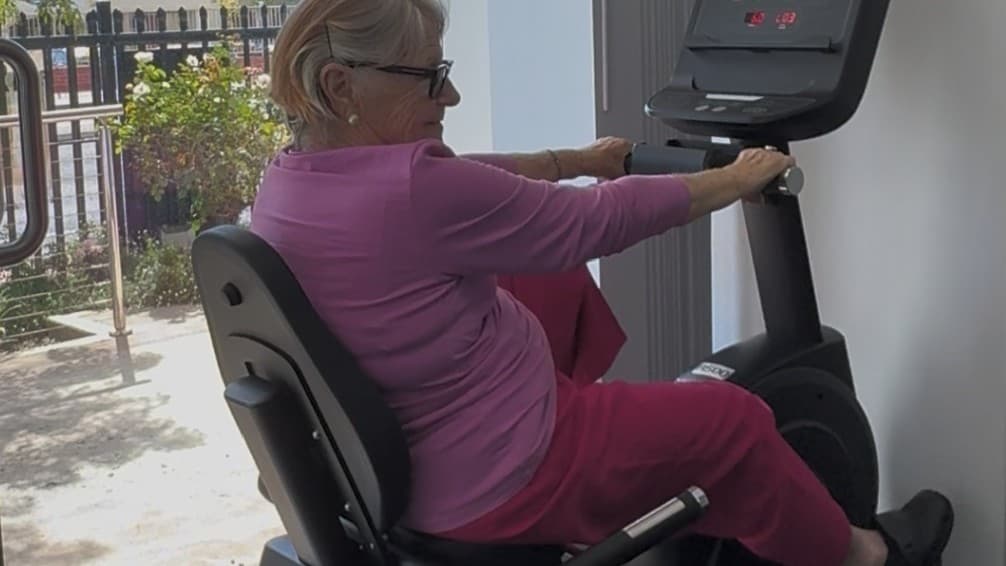
Exercise and Heart Health: Returning to Movement Safely
Introduction
Experiencing a heart condition or undergoing heart surgery can be a life-changing event. For many people, recovery involves not only managing medications and medical appointments, but also rebuilding confidence in their physical abilities. It is common to feel uncertain about how much activity is safe or whether exercise might place too much strain on the heart.
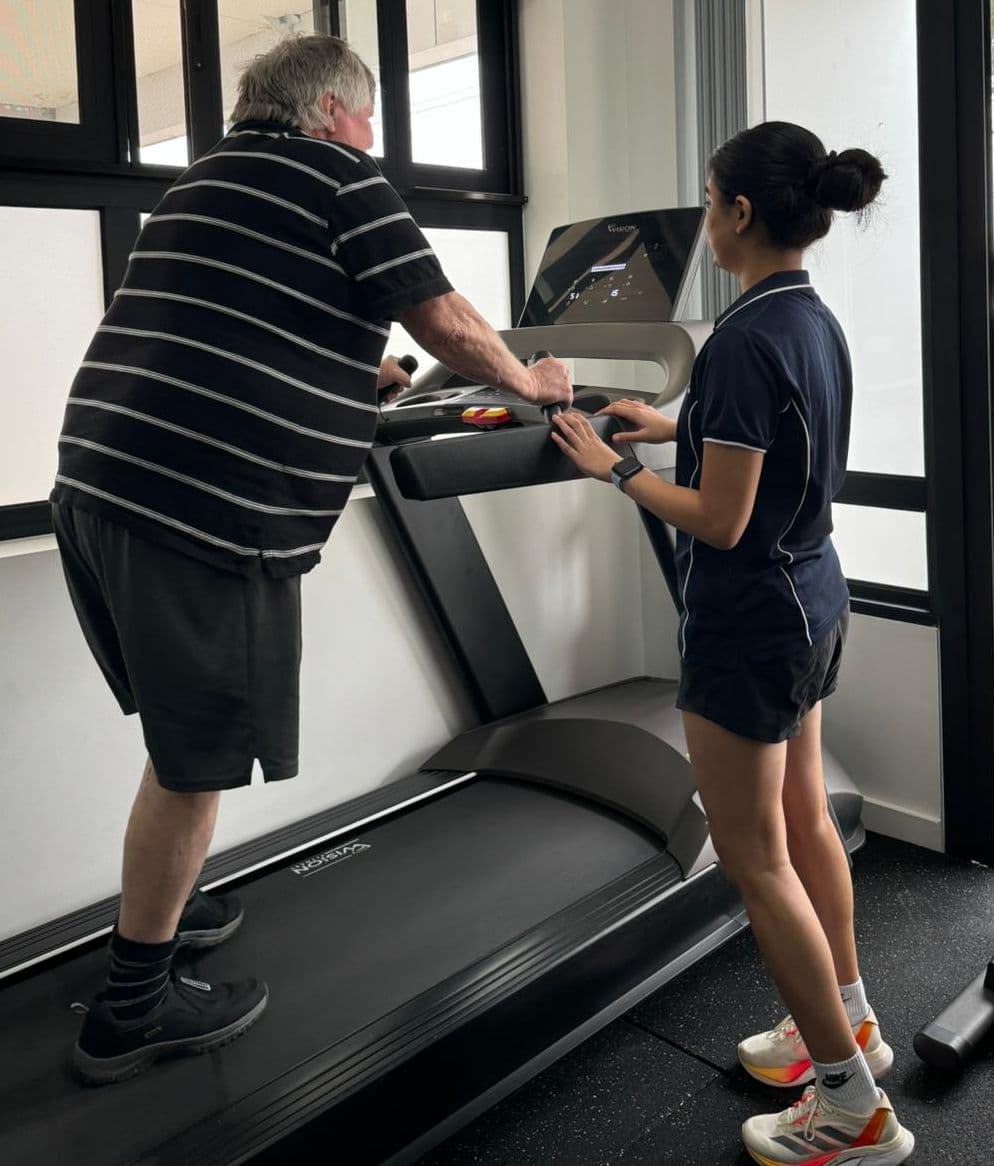
In most cases, however, appropriate and carefully guided exercise is an important part of recovery and long-term heart health. Physical activity helps strengthen the cardiovascular system, improve endurance, and support overall wellbeing. With the right supervision and progression, many people are able to safely return to regular movement and regain confidence in their bodies.
Exercise physiology provides structured and medically informed exercise programs designed specifically for individuals living with heart conditions or recovering from cardiac procedures.
Why exercise is important for heart health
The heart is a muscle, and like any muscle in the body it responds positively to regular training. When exercise is performed at an appropriate intensity, the cardiovascular system gradually becomes more efficient at delivering oxygen and nutrients to the working muscles.
Regular physical activity can help lower blood pressure, improve cholesterol levels, and enhance circulation throughout the body. Over time, this can reduce the risk of further cardiovascular events and support better long-term health outcomes.
Exercise also improves general fitness and endurance, which can make everyday activities such as walking, climbing stairs, or carrying groceries feel easier and less tiring.
Rebuilding confidence after a heart event
One of the most common challenges following a heart condition or surgery is the loss of confidence in physical activity. Many people worry that exercise may trigger symptoms or place excessive strain on the heart.
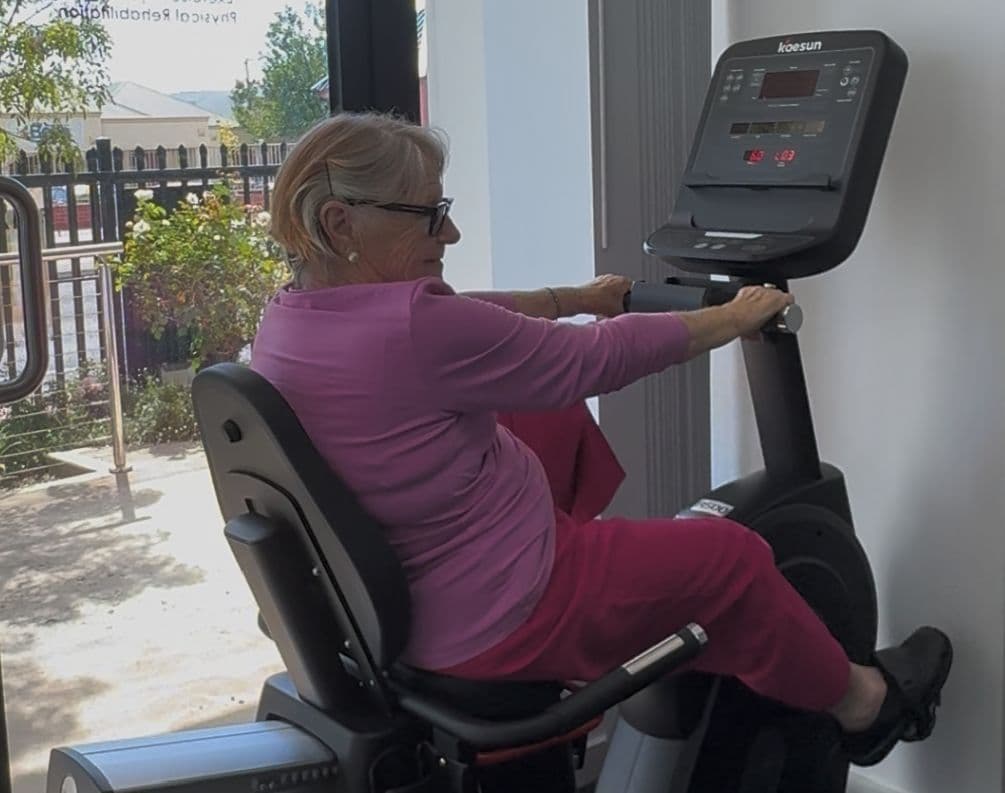
Structured exercise programs help address this concern by introducing movement gradually and monitoring how the body responds. Starting with low to moderate intensity activities allows individuals to rebuild strength and endurance in a controlled and supportive environment.
As fitness improves, activities can be progressed slowly to ensure the heart adapts safely. This gradual approach helps people regain trust in their body’s ability to move and function well.
The broader benefits of regular activity
In addition to supporting heart health, regular exercise contributes to improvements across many aspects of physical and mental wellbeing. Physical activity can help maintain a healthy body weight, improve muscle strength, and enhance balance and mobility.
Many individuals also notice improvements in energy levels, sleep quality, and mood once they return to regular movement. These changes can play an important role in overall recovery and long-term lifestyle management.
Exercise can also provide a sense of routine and structure, which can be reassuring during the recovery process.
A personalised and monitored approach
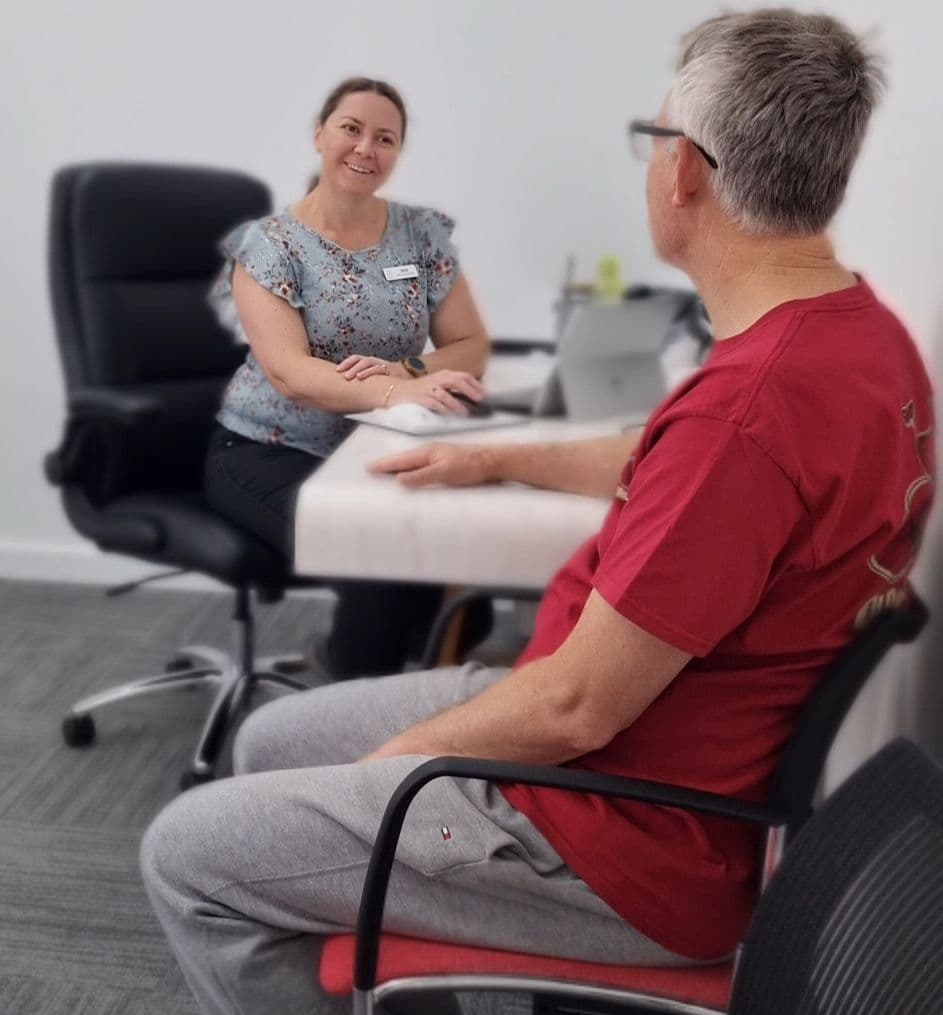
Exercise programs for individuals with heart conditions should always be tailored to the person’s medical history, current health status, and fitness level. Factors such as medications, surgical history, and other medical conditions all influence how exercise should be prescribed.
Exercise physiologists begin with a thorough assessment to understand the individual’s cardiovascular capacity, strength, mobility, and goals. This information is used to design a personalised program that promotes safe progression while supporting overall health.
Sessions may include a combination of aerobic exercise, strength training, and gentle mobility work, depending on the individual’s needs. Intensity and workload are increased gradually as confidence and fitness improve.
Supporting long-term heart health
Recovery from a heart condition or surgery is often a gradual process, and ongoing lifestyle habits play an important role in maintaining cardiovascular health. Regular physical activity is one of the most effective ways to support the heart and reduce the risk of future complications.
With appropriate guidance and a structured approach to exercise, many people find they are able to return to active and fulfilling lives. Building strength, endurance, and confidence through movement can become an important part of protecting heart health for the years ahead.

Jessica Northcott
Senior Exercise Physiologist and owner of Rehabit
Jessica Northcott is an Accredited Exercise Physiologist and Clinical Educator with extensive experience in chronic condition management, falls prevention, diabetes care, and rehabilitation. As founder of rehabit, she leads a team delivering evidence-based, client-centred exercise programs. She is known for turning research into practical strategies that build strength, confidence, and independence, helping people improve their health through tailored exercise.