
Managing Type 2 Diabetes with Exercise
Introduction
Living with Type 2 diabetes often requires ongoing attention to diet, medication, and daily routines. For many people it can feel like a constant effort to keep things balanced. One of the most effective and evidence-based ways to support diabetes management, however, is regular physical activity.
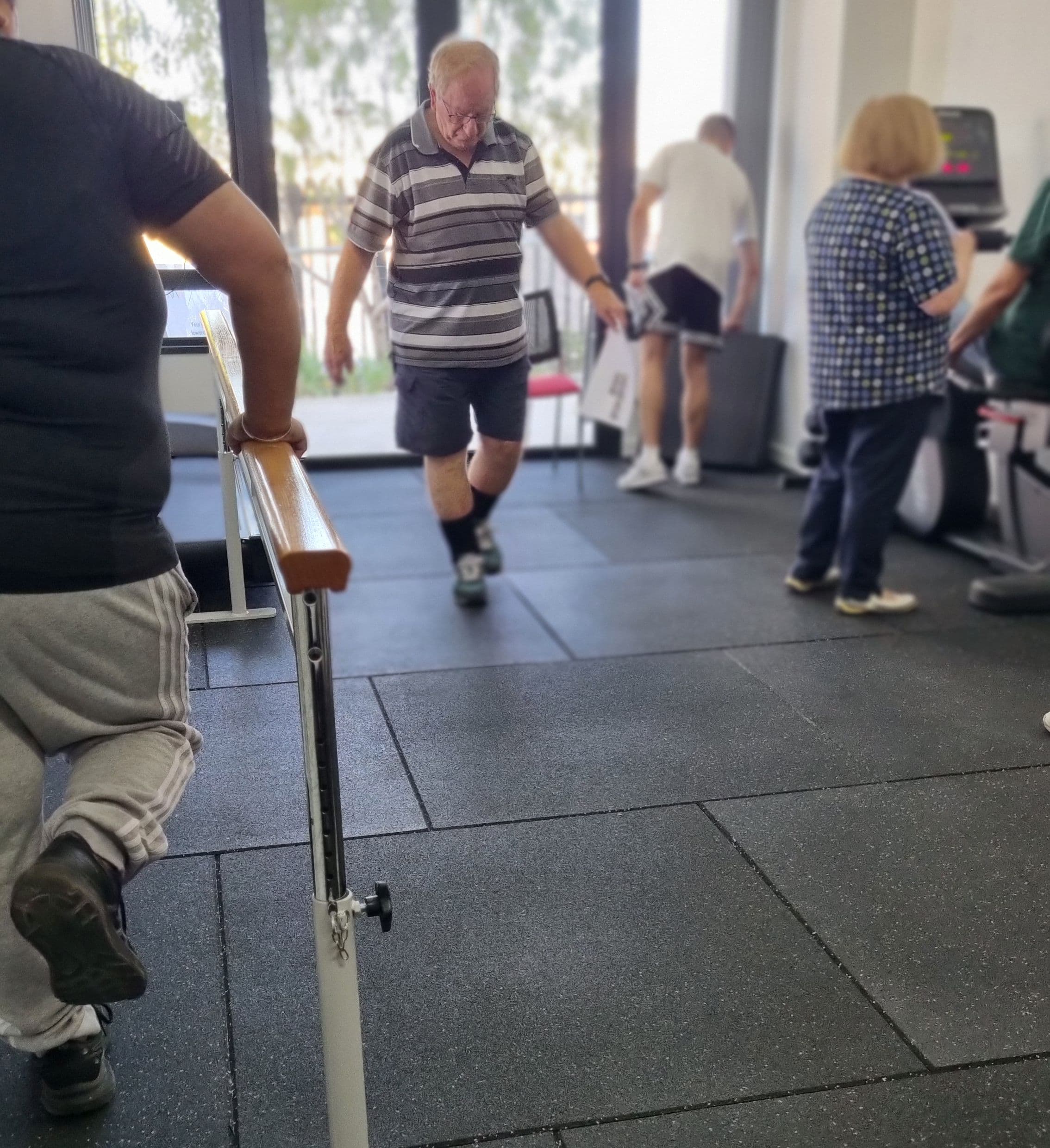
Exercise plays an important role in helping the body regulate blood sugar levels and improve how it responds to insulin. When performed consistently and at the right intensity, physical activity can make a meaningful difference to both short-term glucose control and long-term health outcomes.
Exercise physiology provides a structured and safe way to introduce and maintain physical activity for people living with diabetes, particularly for those who may also be managing other health conditions.
How exercise helps regulate blood sugar
When muscles contract during physical activity, they use glucose from the bloodstream as a source of energy. This process helps lower circulating blood sugar levels and supports better overall glucose control.
Exercise also improves the body’s sensitivity to insulin, meaning that insulin can work more effectively to move glucose from the bloodstream into the muscles where it is needed. Over time, regular physical activity helps the body manage blood sugar levels more efficiently, even outside of exercise sessions.
Strength or resistance training can be particularly beneficial because it helps build and maintain muscle mass. Muscle tissue plays an important role in glucose metabolism, and increasing muscle strength can support more stable blood sugar control throughout the day.
Broader health benefits
While blood sugar management is often the main focus for people with Type 2 diabetes, exercise provides a range of additional health benefits that support overall wellbeing.

Regular physical activity can improve cardiovascular fitness and reduce the risk of heart disease, which is an important consideration for people living with diabetes. Strength and balance training can also help maintain independence, reduce the risk of falls, and make everyday activities easier.
Many people also report improvements in energy levels, sleep quality, and mood once they begin exercising regularly. These changes can make it easier to maintain other healthy habits, such as balanced eating and consistent routines.
A personalised approach to exercise
Exercise programs for people with diabetes should always take into account the individual’s health history, current fitness level, medications, and personal goals. For some people this may involve supervised sessions in a clinical exercise setting, while others may combine gym-based exercise with home or community activities such as walking.
Exercise physiologists assess strength, balance, mobility, and cardiovascular capacity before developing an individualised program. This ensures the exercises selected are appropriate, safe, and effective for the person’s specific needs.
Programs are usually progressed gradually so the body can adapt over time. This approach helps improve confidence with movement and reduces the likelihood of injury or excessive fatigue.

Support through structured exercise programs
For many people, having professional guidance and accountability makes it easier to maintain regular exercise. Supervised sessions provide an opportunity to ensure exercises are performed correctly, monitor progress, and make adjustments when needed.
Structured programs can also help individuals understand how their body responds to activity, including how exercise influences blood sugar levels and overall energy.
Accessing support
In Australia, people with Type 2 diabetes may be eligible for support through Medicare-funded programs if their GP provides a Chronic Disease Management Plan. These referrals can allow access to individual exercise physiology sessions, and in some cases supervised group exercise programs designed specifically for people managing diabetes.
Speaking with a GP or accredited exercise physiologist can help determine what options are available and which approach may be most appropriate.
Supporting long-term health
Managing Type 2 diabetes is rarely about a single change. Instead, it involves building consistent habits that support long-term health. Regular exercise, when introduced safely and progressed gradually, can become one of the most valuable tools in this process.
With the right guidance and support, many people find that physical activity not only improves blood sugar control, but also helps them feel stronger, more capable, and more confident in managing their health over time.

Jessica Northcott
Senior Exercise Physiologist and owner of Rehabit
Jessica Northcott is an Accredited Exercise Physiologist and Clinical Educator with extensive experience in chronic condition management, falls prevention, diabetes care, and rehabilitation. As founder of rehabit, she leads a team delivering evidence-based, client-centred exercise programs. She is known for turning research into practical strategies that build strength, confidence, and independence, helping people improve their health through tailored exercise.