How Exercise Improves Balance and Helps Prevent Falls
Introduction
Feeling unsteady on your feet can be unsettling, particularly if it begins to affect confidence when walking, climbing stairs, or moving on uneven ground. Many people notice changes in their balance as they get older or when managing health conditions that affect strength, coordination, or mobility.
While these changes are common, they are not simply something people have to accept. Balance is a physical skill that can be improved. With the right type of exercise and guidance, many people are able to rebuild strength, improve stability, and move with greater confidence in their daily lives.
Exercise physiology provides a safe and structured way to address balance concerns through targeted strength, coordination, and mobility training.
Why balance changes over time
Balance relies on several systems within the body working together. Muscles, joints, the inner ear, vision, and the nervous system all contribute to helping us stay upright and respond to movement.
As people age or manage long-term health conditions, some of these systems can become less efficient. Muscles may become weaker, joints can stiffen, reflexes may slow slightly, and posture can change. These factors can make it more difficult for the body to respond quickly when something unexpected happens, such as stepping on uneven ground or changing direction while walking.
Falls are therefore relatively common, particularly in older adults. In Australia, approximately one in three people over the age of 65 experience at least one fall each year. While this statistic can sound concerning, it also highlights an important opportunity for prevention through targeted exercise.
How exercise improves balance
Balance can be improved by strengthening the muscles that support posture and movement, particularly those in the legs, hips, and core. These muscle groups help stabilise the body when standing, walking, or changing direction.
Strength training increases the body’s ability to generate force quickly when needed, which can help a person recover from a stumble or loss of balance. Exercises that challenge coordination and stability also help retrain the body to react more effectively to changes in position.
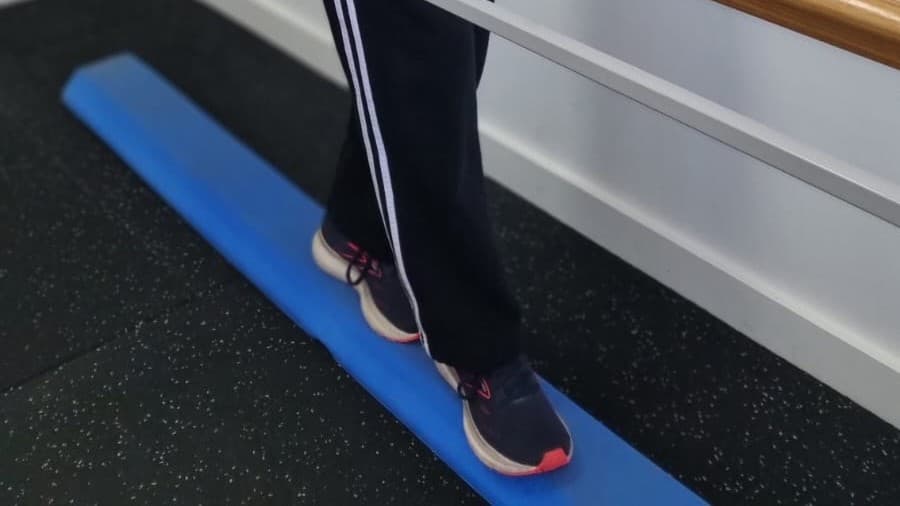
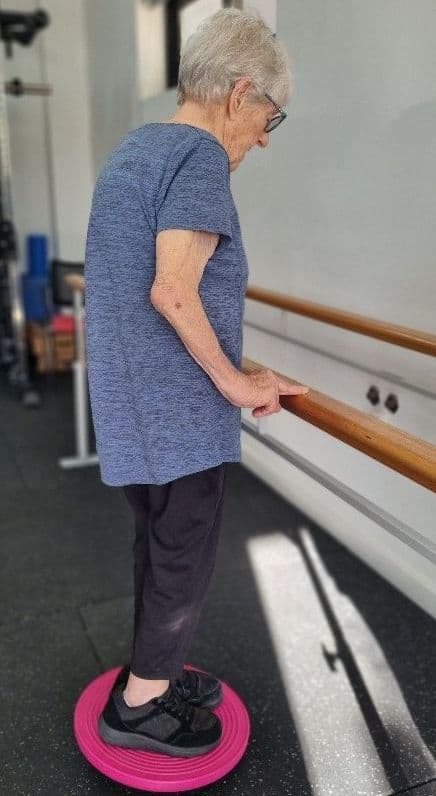
Balance exercises often involve simple movements such as controlled weight shifts, standing on one leg, or practising transitions like sitting and standing. While these exercises may appear straightforward, they stimulate the nervous system and improve the body’s awareness of where it is in space, a process known as proprioception.
Over time, this combination of strength, coordination, and body awareness can significantly improve stability and reduce the likelihood of falls.
Benefits beyond fall prevention
Improving balance often has broader benefits for overall mobility and independence. When people feel more stable on their feet, they are more likely to remain physically active and continue participating in everyday activities such as walking, shopping, gardening, or spending time with family and friends.
Regular balance and strength training can also improve posture, joint stability, and confidence in movement. Many individuals notice that tasks which once felt difficult or uncertain become easier and more comfortable as their strength and coordination improve.
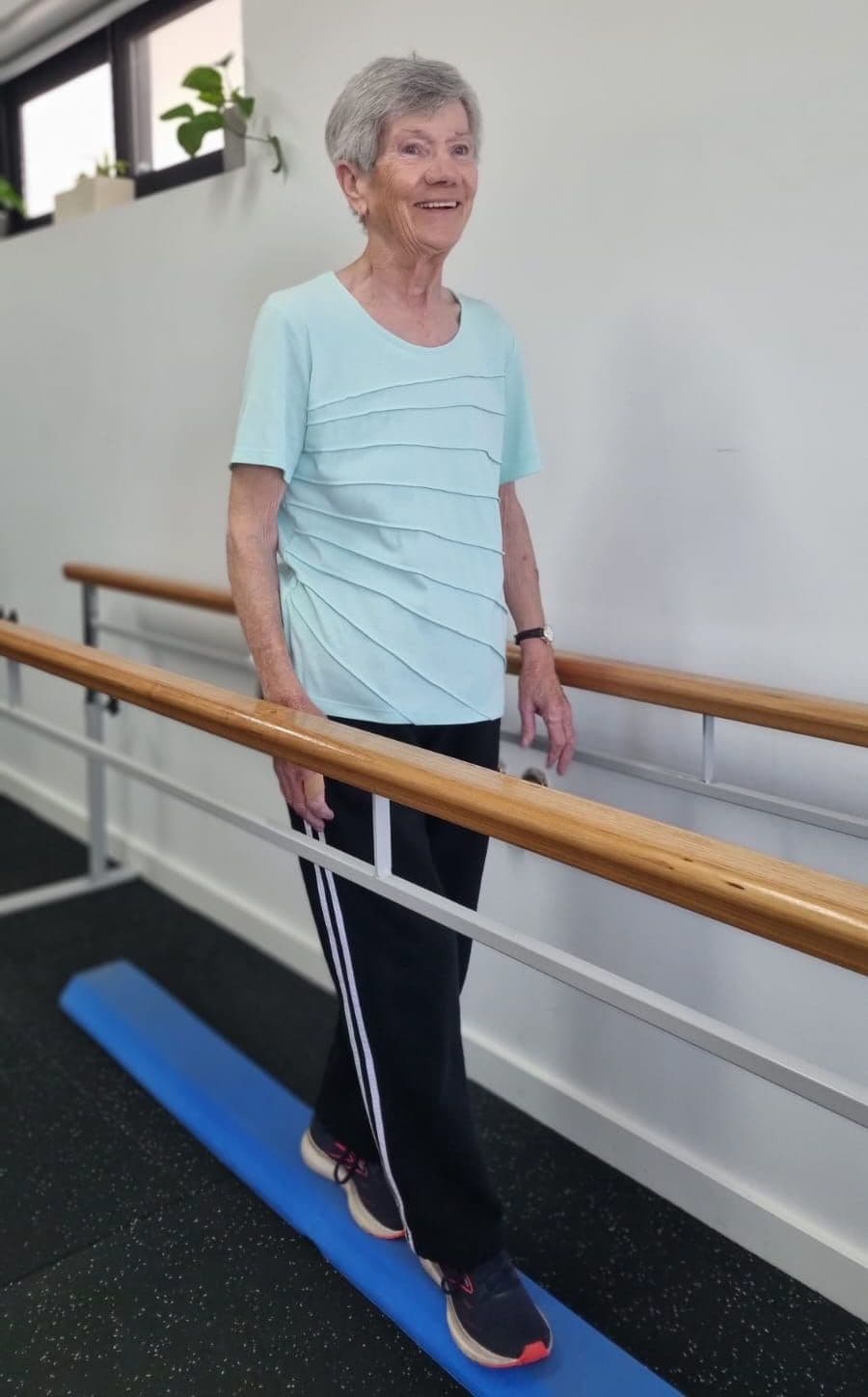
These changes can contribute not only to physical safety but also to a greater sense of independence and wellbeing.
A personalised approach to balance training
Exercise programs designed to improve balance should always be tailored to the individual. Factors such as strength, mobility, medical history, and previous injuries all influence which exercises will be most appropriate and effective.
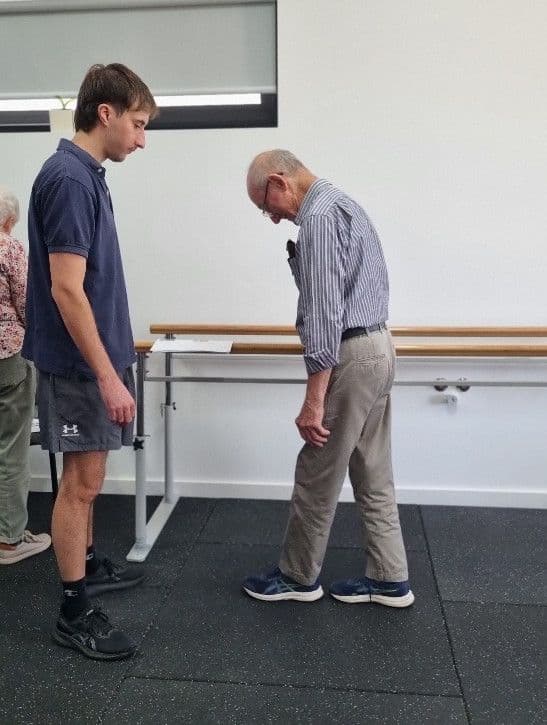
Exercise physiologists begin with an assessment of strength, balance, mobility, and movement patterns. This information helps guide the development of an individualised program that is both safe and progressive.
For some people, exercises may begin with simple strength and stability work before gradually progressing to more challenging balance activities. The goal is to build confidence and physical capacity at a comfortable pace while ensuring exercises remain achievable.
Supporting long-term independence
Maintaining good balance is an important part of staying active and independent as we age. Regular exercise that focuses on strength, coordination, and mobility can help protect against falls while also improving how the body moves and functions each day.
With the right guidance and a consistent approach to movement, many people find that balance can improve significantly over time, allowing them to move with greater confidence and continue enjoying the activities that matter most to them.

Jessica Northcott
Senior Exercise Physiologist and owner of Rehabit
Jessica Northcott is an Accredited Exercise Physiologist and Clinical Educator with extensive experience in chronic condition management, falls prevention, diabetes care, and rehabilitation. As founder of rehabit, she leads a team delivering evidence-based, client-centred exercise programs. She is known for turning research into practical strategies that build strength, confidence, and independence, helping people improve their health through tailored exercise.